
Here is something I hear almost every week from clients — “I tried a diet plan I found online, but it had things like quinoa, almond flour pancakes, and avocado toast. I gave up after two days.”
That is the problem with most weight loss content. It is written for a Western kitchen. And when an Indian person tries to follow it, they are either spending money on ingredients they cannot find or eating food that their family refuses to touch.
This plan is different. Everything here comes from a normal Indian kitchen. Dal, roti, chaas, sabzi, sprouts, oats, paneer — things you already buy. The goal is not to change what you eat entirely, but to change how much of it, when, and in what combination.
Give this seven days. An honest seven days, not three days on and four days off. You will notice the difference.
Why Indian Food and Weight Loss Actually Go Together
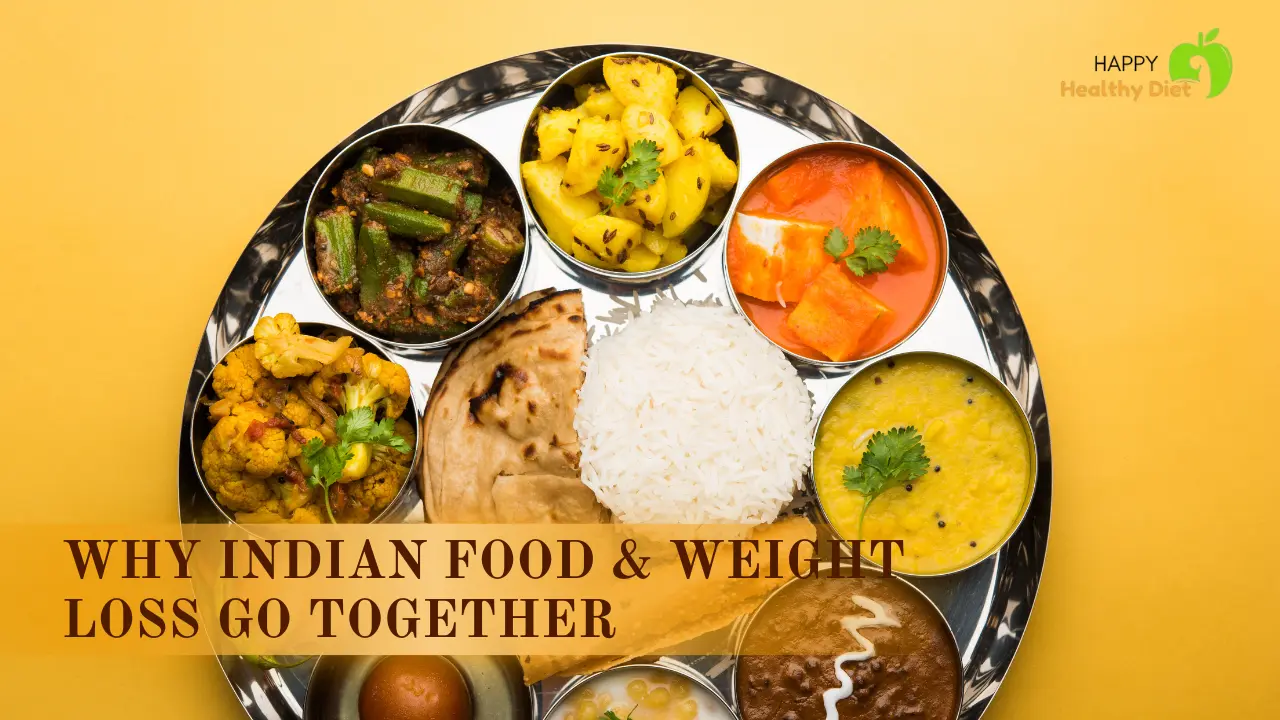
There is a widespread belief that Indian food is too heavy, too oily, or too carb-heavy for weight loss. Some of that is fair — if we are talking about puri bhaji, dal makhani with loads of cream, or mithai after every meal. But that is not everyday Indian food for most families.
A regular home-cooked thali — dal, one sabzi, two phulke, salad, and curd — is genuinely well-balanced. You have protein from the dal, complex carbs from the roti, probiotics from the curd, and micronutrients from the vegetables. The issue is usually portion size and what gets added on top.
Our spices are also doing more work than people realise. Jeera, haldi, methi seeds, cinnamon — these are not just for flavour. They actively support digestion, reduce inflammation, and help regulate blood sugar. Western nutrition supplements sell versions of these in capsule form at high prices. We have them in our masala dabba.
The short answer: Indian food is not the enemy. The portion sizes, the frequency of fried foods, and the late-night eating habits are.
5 Things to Keep in Mind Before Day 1

Start your morning with something warm, before anything else
Your stomach has been empty for 7-8 hours. Before chai, before checking notifications, have something warm. Lemon water, jeera water, or plain warm water with a pinch of cinnamon. It gets your digestive system moving and reduces the bloating that many people wake up with. Takes two minutes. Makes a real difference.
Every meal needs a protein — no exceptions
This is the rule that most Indian diets miss. Dal only at lunch, nothing at breakfast, maybe a little curd at dinner — it is not enough. When you do not have protein in a meal, your blood sugar spikes from the carbs, crashes about 90 minutes later, and suddenly you are looking for something to eat again. Dal, paneer, curd, eggs, sprouts, tofu — one of these needs to show up every time you sit down to eat.
More vegetables, and more variety
If your plate is mostly roti and one sabzi, that is not enough colour. Aim for at least two or three different vegetables across the day. They are almost calorie-free, packed with minerals, and fill up physical stomach space without adding to your calorie count. Palak, lauki, tinda, shimla mirch, tamatar, kakdi — whatever is fresh and local.
These things are quietly sabotaging you
• Packaged fruit juice — a 200ml tetra pack can have 20-25g of sugar. That is 5-6 teaspoons.
• Namkeen and biscuits for snacking — nobody stops at a small handful
• Maida rotis, white bread, and bakery items — they digest fast and bring hunger back quickly
• Eating after 9:30 PM — your body’s metabolism slows down significantly in the evening hours
Dinner before 8 PM if at all possible
Your digestive system slows down considerably in the evening. Food eaten late does not get processed the same way as food eaten at 2 PM. It sits longer, digests slower, and is more readily stored. You do not need to eat at 6 PM like a hospital patient — but finishing by 8 and not snacking after makes a measurable difference over seven days.
The 7-Day Plan
Each day is built around a protein source, slow-digesting carbohydrates, vegetables, and a healthy fat. Do not go for seconds. Eat slowly. Stop when you feel 80% full — that is a real technique, not a motivational line.
Day 1 — Reset
Morning: Warm jeera water + 5 soaked almonds (soak them the night before)
Breakfast: 2 moong dal chilla with green chutney — the chutney is not optional, pudina helps digestion
11 AM: 1 apple or guava — seasonal and local is always better
Lunch: 1 multigrain roti + 1 katori dal + vegetable sabzi + kachumber salad
5 PM: Chilled chaas (no sugar, just salt and jeera) + small bowl roasted makhana
Dinner: Clear vegetable soup + 100g grilled paneer with lemon and black pepper
💡 If you feel hungry before bed, have half a glass of warm milk or a small bowl of curd. Do not reach for biscuits.
Day 2 — Build the Habit
Morning: Warm water with a small piece of ginger squeezed in — raw ginger has good anti-inflammatory properties
Breakfast: Vegetable poha with peanuts — the peanuts are not decoration, they are your protein for the meal
11 AM: Half a papaya, not a full bowl
Lunch: Small bowl of brown rice + rajma + salad — keep the rajma serving to one small katori
5 PM: 1 cup green tea (no sugar) + a small fistful of roasted chana
Dinner: Paneer bhurji with minimal oil + 1 small phulka, or skip the roti entirely if not very hungry
💡 Day 2 is when some people feel slightly low energy. That is normal — your body is adjusting. Drink more water.
Day 3 — Fibre Focus
Morning: Lemon water or plain warm water
Breakfast: Oats porridge — cook in water or low-fat milk, add walnuts and a few raisins on top
11 AM: 1 orange or mosambi
Lunch: 2 phulka + mixed vegetable curry + 1 small katori curd
5 PM: Sprouts chaat — add chopped tomato, onion, lemon, chaat masala
Dinner: Thin vegetable soup + tofu salad with olive oil and black pepper
💡 Oats at breakfast on Day 3 usually means you are not hungry until well past 11 AM. That is the fibre working.
Day 4 — Protein Push
Morning: Cinnamon water — boil a small stick for 5 minutes, let it cool a little, drink warm
Breakfast: 2 boiled eggs OR paneer bhurji with 1 multigrain toast — no butter on the toast
11 AM: 1 small apple
Lunch: 1 roti + palak dal + any sabzi + salad
5 PM: Handful of peanuts + green tea
Dinner: Grilled vegetables — capsicum, broccoli, zucchini, if available — with a bowl of thin dal soup
💡 Most people feel the least hungry on Day 4. That is the protein building up in the system. Good sign.
Day 5 — Gut Reset
Morning: Warm water — plain is fine, or add a teaspoon of raw apple cider vinegar if you have it
Breakfast: Vegetable upma — keep the rava portion small, load it with vegetables
11 AM: Small papaya bowl
Lunch: Small portion brown rice + chole + cucumber salad — half a katori chole is enough, not a full serving
5 PM: Chilled chaas + roasted seeds mix — pumpkin seeds, sunflower seeds, flax seeds
Dinner: Paneer salad bowl — diced paneer, cherry tomatoes or regular tomatoes, cucumber, lettuce if available, olive oil dressing
Day 6 — Familiar Comfort
Morning: Warm water + 5 soaked almonds
Breakfast: Besan chilla — 2 pieces with pudina chutney
11 AM: Whatever is locally in season — guava, pear, papaya, orange
Lunch: 2 chapati + dal + bhindi sabzi — simple, filling, and effective
5 PM: Green tea + roasted makhana
Dinner: Clear vegetable soup + 80g tofu lightly tossed with garlic, pepper, and a few drops of soy sauce
💡 Day 6 feels comfortable because the food is familiar. Comfort and weight loss can actually coexist.
Day 7 — Easy Landing
Morning: Detox water — the night before, fill a jug with water and add sliced lemon, cucumber rounds, and a few mint leaves
Breakfast: Oats vegetable cheela — works best on a non-stick pan, no oil needed
11 AM: 1 small seasonal fruit
Lunch: Bajra or jowar roti (1 is usually enough, they are more filling than wheat) + dal + mixed sabzi
5 PM: Sprouts chaat with onion, tomato, lemon, and chaat masala
Dinner: Light moong dal khichdi with minimal ghee + small bowl salad on the side
💡 By Day 7, most people notice better sleep, less bloating, and more consistent energy. The weight change follows.
Foods Worth Stocking Up On
If these are regularly available in your kitchen, the rest becomes easier:
Protein sources
• Moong and masoor dal — easy to cook and easy to digest, good for daily use
• Paneer — 100g with a meal is the right amount, not a full block
• Sprouts — make a batch every 2 days, use raw or lightly steamed
• Curd — best at lunch, not dinner. Cold dairy at night is harder on digestion.
• Eggs if you eat them — two boiled eggs is a complete breakfast with almost no effort
Fibre and slow carbs
• Oats, bajra, jowar, ragi — rotate these, do not eat the same grain every day
• Palak, methi, lauki, tinda, turai — not glamorous, but extremely effective
• Guava, papaya, pear, apple — weight-loss friendly fruits. Mango and banana are fine occasionally, just not daily.
Healthy fats in small amounts
• 5–6 soaked almonds and 2 walnuts in the morning — do not eat more than this
• Flax seeds or chia seeds added to curd, salads, or water
• A teaspoon of desi ghee at lunch — yes, ghee is fine and actually helps fat-soluble vitamin absorption
Where Most Indian Weight Loss Diets Go Wrong
I have been working with clients on weight loss for years. The same patterns keep showing up:
1. Skipping breakfast and then overeating at lunch — extremely common in people with office jobs or morning commutes
2. Thinking fruit juice counts as fruit — it does not. The fibre is gone. What remains is essentially flavoured sugar water.
3. Eating roti or rice without any protein alongside — blood sugar spikes, crashes, and hunger returns within an hour
4. Doing a very strict diet for 10 days and then giving up because it was unsustainable — followed by eating everything in sight
5. Underestimating sleep — one week of poor sleep can raise hunger hormones enough to add 300–400 extra calories per day without realizing it
6. Weighing themselves every day and panicking at water weight fluctuations — weight varies by 1–2 kg daily based on water, food in the stomach, and hormones
Small Habits That Make a Big Difference
The food plan does most of the work. These habits support it:
• Walk after dinner — even 20 minutes. It lowers blood sugar after meals noticeably and genuinely helps with digestion.
• Same sleep time every night — your metabolism follows a circadian rhythm. Disrupting it makes fat loss harder.
• Keep a bottle of water on your work desk — most people in India are mildly dehydrated all day without realising
• Eat without your phone or TV — distracted eating consistently leads to consuming 20–30% more than intended
• Address stress directly — chronic stress raises cortisol, and cortisol specifically targets belly fat storage. No diet fully overrides sustained stress.
A Note on Getting Personalised Help
This plan works well as a starting point. But if you have been trying to lose weight for months without consistent results, there is usually a specific reason.
Sometimes it is a thyroid issue, sometimes PCOS, sometimes insulin resistance, sometimes a gut problem, and sometimes it is simply that the standard advice does not fit your particular lifestyle, food preferences, or schedule. A generic chart cannot fix a specific problem.
At Happyhealthydiets, we work with clients individually. Our nutritionists ask about your daily routine, what you actually enjoy eating, any health conditions you are managing, and your realistic schedule. Then they build something around your actual life — not an ideal version of it.
We have worked with clients managing thyroid, PCOS, post-pregnancy weight, stubborn belly fat, and several other conditions. Most of them had already tried multiple plans before coming to us.
If you want to speak to someone, our first consultation is free. Book through the website and one of our nutritionists will reach out.
Questions People Often Ask
Between 0.5 and 1 kg of actual fat loss in a week is realistic and healthy. Some people see more on the scale in the first week because of water weight reduction — especially if they have cut out a lot of processed food suddenly. Do not get too attached to that number. The more important signal is how you feel on Day 7 compared to Day 1.
Yes, absolutely. Rice is fine. Have it at lunch rather than dinner, stick to a small katori of cooked rice (100–120g), and pair it with dal or another protein. Brown rice is better if you have it, but even white rice in the right portion and pairing is not a problem.
Yes, as long as you are intentional about it. Dal at every meal, paneer or curd once a day, and sprouts in one meal covers your needs well. Many Diet2Nourish clients are vegetarians and regularly hit their protein targets once they understand how to combine sources. It is not as complicated as it sounds.
No. One or two cups a day is fine. Try to cut the sugar down or switch to jaggery in smaller amounts. What makes a bigger difference is replacing your third and fourth cup with plain warm water or green tea — that one shift removes a significant amount of daily sugar intake without feeling like a sacrifice.
A plateau usually means one of a few things — you need to change your meal timing, adjust the macro balance, improve your sleep, or address stress. This plan tackles most of those factors. If the plateau persists after two weeks of genuine effort, I would recommend speaking to a nutritionist directly because something specific — hormonal or metabolic — may need attention.
Check if you are actually thirsty first — the two sensations are easy to confuse. If you are genuinely hungry, reach for chaas, a small fruit, roasted makhana, or a handful of peanuts. Avoid biscuits and packaged snacks — they are almost impossible to stop at a small amount, and most of them have refined flour and sugar hiding in them.
To Wrap Up
Losing weight does not need to be dramatic. The approaches that actually work long-term are never the extreme ones — they are the boring, consistent, sustainable ones.
Eat real food. Enough protein. Fewer processed things. Sleep well. Move a little every day. That is genuinely it. This plan gives you a structured way to do all of that using food your family already eats and your kitchen already supports.
Try all seven days — not just the first three. Come back to this plan whenever you need a reset. And if you want help making something more personalised, our team at Diet2Nourish is here.
Leave Your Comment